“Small rooms or dwellings discipline the mind; large ones weaken it.” – Leonardo da Vinci
Downsizing is a great thing for most anyone to do at any point in their life. We have put such a stress on things in our society instead of experiences. The tiny living movement is about shifting those norms. Having a tiny home does not mean you can’t also live big! There are a variety of ways to go tiny depending on your wish list for a home, your budget, and how adventurous you are. In the last post, we touched on some of the reasons why more and more people are embracing a more minimalist lifestyle. It is much more economic, it has a much more positive effect on the environment than traditional homes, and most importantly people are finding a drastic improvement in their quality of life over all. In this post, we will explore what your options are for a tiny home. Maybe some of you are curious about how to live simpler, and maybe some of you are ready to take the plunge into finding your own tiny home. I hope this post will be able to provide you with more insight into the decision making process.
Tiny houses come in a variety of forms. I know people who have moved into sails boats, who have built small cabins or houses, and people who have inhabited campers,trailers, schools buses, and train cars to name a few. Your options are abundant and are only limited by your creativity. Today though we are only going to focus on a few main types. The tiny house, a tow behind travel trailer, and a motorhome. We will compare the pros and cons of each and provide some information for you if you are interested in those options.
First up is the very popular “tiny home”. This small house is appealing, because, well it looks just like a regular house! These lovely homes give the same cozy feeling as walking into a traditional house. Let’s dive into the pros and cons.
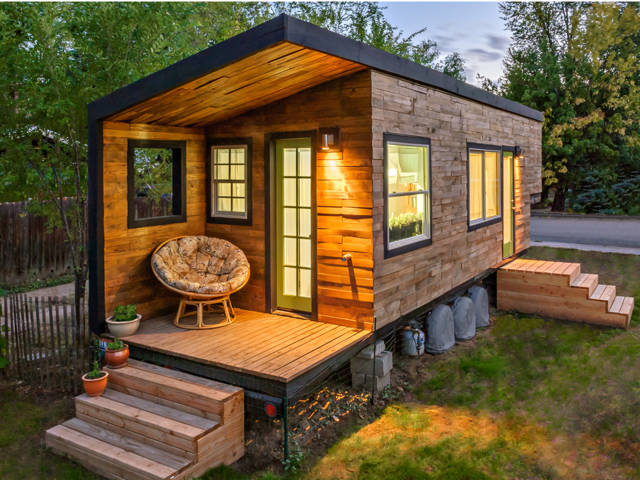
Pros: Very aesthetically pleasing to the eye. Instantly feels welcoming with minimal effort. You save so much time in cleaning! You can customize these babies any way you can think of so you have something totally unique and reflective of your personality. They are more energy efficient than your traditional 2600 square foot home. They also make great home offices and guest suites. I love the tiny homes because the sky really is the limit with design.
Cons: Transporting can be stressful and a little pricey depending on how far you need to go. It looks like on average for 50 miles freight transport can range from $300-$700 per move. If you want to travel quite a bit this may not be the best bet for you. Unless you plan on building your own, tiny houses are the more expensive option. They can range between $20,000 and $70,000. The cost per square foot is typically much higher than a traditional size home. While this is starting to change, there are still several places in the United States that do not allow tiny homes per zoning laws. Here is a great article outlining what you need to know legality wise for your tiny home: http://www.curbed.com/2016/9/22/13002832/tiny-house-zoning-laws-regulations
What to know: Tiny houses are a great step in downsizing and living a simpler, more meaningful lifestyle. They are wonderful for customization. The average tiny home ranges in size from 100-400 square feet. If this sounds like your cup of tea make sure you check out the zoning areas for your destination and don’t forget to include any transportation fees into your budget if you are not building directly on your spot of land. Space is going to be a consistent theme in all of the options we discuss and while it can certainly be a con, if you can think more creatively about your space then it can also serve as a pro. When you are designing or working with a designer for your tiny house, make sure to include creative storage solutions, perhaps a desk that can pull out of the wall if you need a work space, and don’t forget about the outdoors! Your outdoor space is a room too that can be perfect for working, studying, and hosting guests.
Next up is the motorhome. The American dream on wheels!
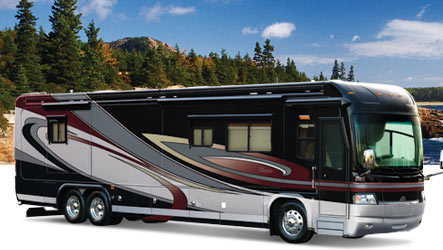
Pros: You can take this guy anywhere! This is the ultimate traveling machine. The space can actually be really great depending on the model and how many slide outs you would like. The slide outs add tons of extra living and working space. There are RV parks all over the country that you can stay in for a couple days or a couple years if you like. These parks also typically include all of your utilities plus they may have additional amenities like a swimming pool, nature trails, a clubhouse, among other nice features that you would be able to use. Motorhomes are family friendly as well. While you probably will not get more than 400 square feet, motorhomes are designed for compact living so the spaces are built to be as functional as possible. This is a great option if you are looking to spend some time out on the road! RVs can range in price from a few thousand dollars up to a couple hundred thousand dollars, so there is a budget for everyone. When you are not living in your RV full time, they are still great for vacations, concerts, tailgates, and of course camping adventures, so you can really maximize your time and money with your motorhome.
Cons: The biggest con would be maintenance. If your transmission goes out or some other major part, you have to leave your home in the shop which means you would have to find somewhere else to live while it is being worked on. Those fixes can be expensive too. Not all mechanics can work on RVs, you have to go to someone who can specifically work on motorhomes and depending on where you are they may not be easily accessible. They also are not the best bang for your buck space wise. While you can maximize space with slide outs and nifty built in storage, you will definitely pay for it. You are also limited in the customization of the space.
What to know: RVs are an excellent option for a tiny home, especially for the constant traveler. They are very easy to transport. You do not have as much freedom personalizing your space as you did with the tiny house option. Things to think about if you are going the camper route: Consider buying used. You can get some really great deals just buying a slightly older model than buying brand new. Someone told me once, “Never buy a new motorhome!”Even if it is just a year or two older you can save thousands. Will you need 30 amps or 50 amps? I personally suggest 50 amps and that way you always have the option should you need it. Prices of lots at RV parks will differ though between 30 and 50 amps so keep that in mind when you are searching for a place to park your home. Here is a great forum to help you determine what your electrical needs may be:http://www.rvnetwork.com/index.php?showtopic=114691
And last but not least, the travel trailer! I love this clip from the classic The Long, Long Trailer!
Pros: Travel trailers are extremely cost effective. You definitely get the most bang for your buck with these guys. They are pretty easy to transport. You do not have as many things that need maintenance as you do with the motorhomes, so the upkeep is easy peasy. There are no transmissions, engines, etc to worry about, making most fixes much cheaper than the motorhome option. There are so many varieties to choose from with the retro look of the Airstream to the sleek look of the Coachman , to the outdoorsy feel of the Flagstaffs; you are sure to find one that suits your style and needs. These are much more conducive to conserving energy and water.
Cons: You need a vehicle that has the capacity to tow your trailer. Regulating temperature in these can be tricky depending on where you are. There are definitely ways around this, but keep in mind that in the summer these will get very hot and likewise in winter. You can definitely renovate and make the space your own, however unlike with the customizable tiny house, you are limited to working with the space you have got.
What to know: You still need to be conscious of 30 amps versus 50 amps. When you are buying used (which I definitely suggest to save money) make sure you open all the cabinets and touch all the walls, ceiling, push on the flooring to search for any wet spots which could mean there is a costly leak present. Also make sure you are able to hook everything up and run the sinks, showers, flush the toilet, to make sure everything is working and you have no leaks before purchasing. Also be conscious of corners where water might collect and could eventually lead to water damage or a leak. Here is a great (slightly long) video of what to check for you when you do go shopping for your RV:
Those are the pros and cons of the main tiny living options that are out there. If you have any specific questions about any of them, please comment or email us. If you have advice or experiences to offer from your own personal experiences we would love to hear them! If you are one of those people living in some other unconventional home, please hit us up, we would love to hear your story!
 The Rusty Rivet